




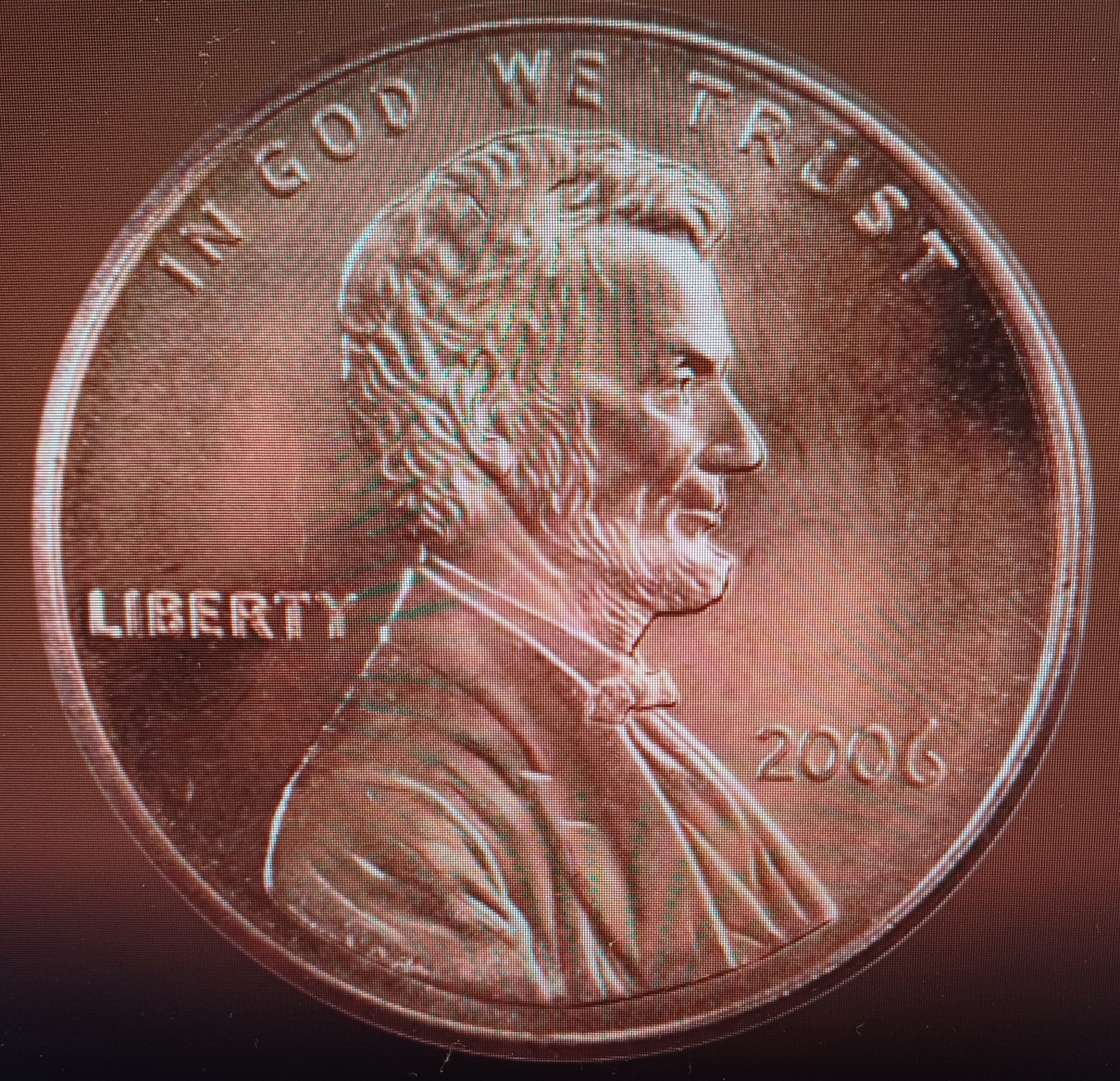




Vancouver: Soon, Americans will reach into their pockets and notice something missing. No copper shine. No lone cent stuck to the lining of a wallet. Beginning in 2026, the U.S. penny — a coin so familiar it often went unnoticed — will quietly step out of everyday life.
For more than two centuries, the penny has been part of America’s daily rhythm. It sat in tip jars, hid under couch cushions, and filled childhood piggy banks. It was the coin you dropped into fountains and saved “just in case.” Now, it’s being retired not because it failed symbolically, but because it no longer makes sense economically.
The penny is almost as old as the United States itself. First minted in 1793, just years after independence, it helped a young nation conduct trade and build trust in its money. Over time, it evolved in design but not in spirit. When Abraham Lincoln appeared on the penny in 1909, it became both currency and commemoration.
But while the country grew and prices rose, the penny stayed the same. What once bought something meaningful slowly became something people barely bothered to pick up off the ground.
The penny’s downfall wasn’t sudden — it was arithmetic. For years now, the U.S. Mint has spent several cents to make a single one-cent coin. Rising metal prices, labor costs, and transportation turned the penny into a money-losing operation. Every new penny entered circulation at a loss.
In an era where government budgets are closely scrutinized, continuing to mint a coin that costs more than it’s worth became harder to justify. Ending production won’t fix the federal deficit, but it stops an obvious inefficiency — and that matters.
This isn’t just about cost. It’s also about how Americans pay. Cash is no longer king. Credit cards, mobile wallets, and contactless payments dominate daily transactions. Many pennies never make it back into circulation at all.